Wheelchair lift inspection tracking software for paratransit fleets
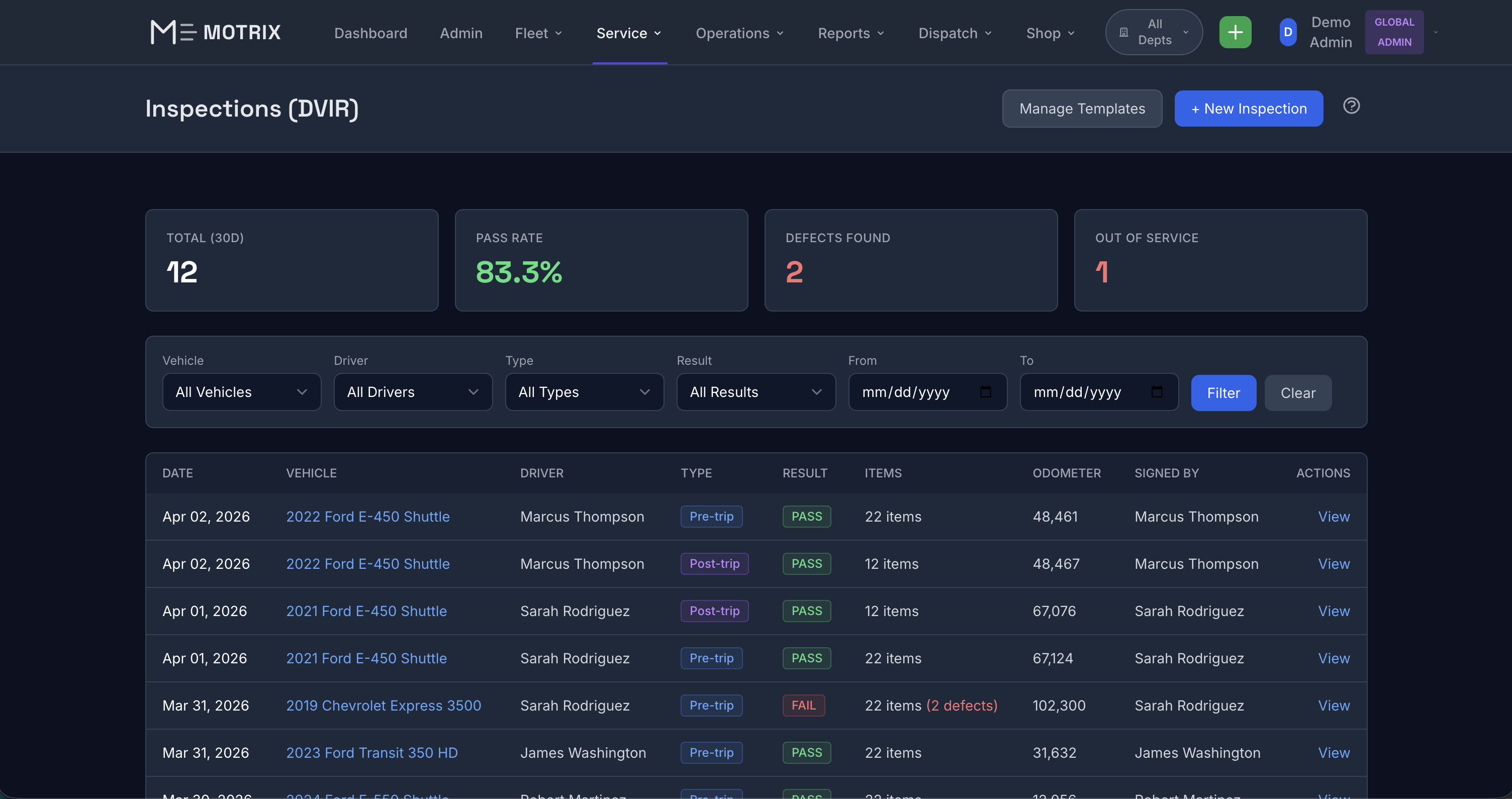
Transit buyers researching wheelchair lift inspection tracking software are usually trying to fix one problem: lift-related defects are reported, but follow-up records are hard to trust or retrieve. This page outlines what a reliable workflow should include.
Teams responsible for ADA equipment reliability and documentation
- Paratransit agencies with recurring lift or ramp defect follow-up issues
- Fleet leaders who need to prove maintenance response on accessibility-critical equipment
- Transit organizations replacing disconnected inspection and repair tracking methods
Accessibility equipment needs stronger traceability than a generic checklist can provide
When lift inspections and maintenance follow-up are tracked in separate systems, teams lose confidence in status and history. Transit operations benefit from a single process that connects reporting, action, and retrieval.
| Operational requirement | What to verify | Expected outcome |
|---|---|---|
| Defect detail quality | Are notes and photos captured at inspection time? | Maintenance receives clear issue context. |
| Repair accountability | Can teams track who accepted and resolved lift defects? | Follow-up ownership is visible. |
| Repeat issue visibility | Can you spot recurring lift failures by vehicle? | Root-cause work improves over time. |
| Record retrieval | Can supervisors quickly retrieve ADA-related history? | Oversight and incident response are faster. |
Wheelchair lift tracking buyer questions
What should agencies track for wheelchair lift maintenance?
Track inspection outcomes, defect details, assigned corrective actions, completion dates, and repeat-failure trends by unit.
Why is lift inspection tracking different from general inspections?
Lift and accessibility failures can directly affect rider service and compliance obligations, so accountability and historical traceability are more critical.
How can transit agencies reduce ADA maintenance record gaps?
Use one workflow where inspection findings and repair actions stay tied together, instead of relying on separate forms, spreadsheets, and email handoffs.
Read next
Talk through your accessibility maintenance workflow
We can map your current lift inspection and follow-up process to identify where record quality and response times can improve.